Many companies ask themselves sooner or later: Do we really need an SEO agency? The answer isn’t always clear, as offers and promises vary greatly. In short: An SEO agency helps improve your website so that it appears higher on Google and other search engines.
The goal is more visibility, more suitable visitors, and ultimately more inquiries or sales. But what’s behind these statements, and what tasks does an agency handle on a daily basis? Let’s take a closer look.
The need becomes clear when you consider that over 90% of all online activities start with a search. Those who aren’t visible there miss opportunities. A specialized agency lays the technical foundation, creates relevant content, and strengthens your website’s authority. In Germany, there are many providers with a focus on the local market. If you’re specifically looking for support in the area of SEO in Germany, you’ll find suitable partners who know and implement your requirements.
But beware: Not every agency delivers on its promises. Behind expensive audits, there are sometimes only generic hints that you could derive yourself with standard tools. A shallow evaluation doesn’t help but costs money. Therefore, carefully check what’s being delivered and whether the measures really fit your company.
What Is an SEO Agency and What Goals Does It Pursue?
An SEO agency is a service provider focused on improving websites for search engines. SEO stands for Search Engine Optimization. The goal is to increase visibility in unpaid search results, bring more suitable visitors to the site, and thus increase revenue.
The goals are long-term oriented. These include:
- more organic traffic (visitors via unpaid results),
- better rankings for relevant keywords,
- more inquiries, leads, and sales through suitable target groups.
Good agencies don’t see SEO as a single measure but as part of your overall online marketing strategy.
How Does an SEO Agency Work?
Agencies usually work in clear steps. At the beginning is a thorough analysis of the website and competition. Technical points, content, and backlinks are examined. This creates a plan with goals and measures — a process followed by teams like NON.agency, who emphasize structured, transparent workflows.
- Start: Analysis of technology, content, backlinks, competitors
- Plan: Strategy, priorities, timeline, responsibilities
- Implementation: Onpage, offpage, technology
- Control: Monitoring, evaluation, adjustments
- Transparency: regular reports with results and next steps
How Does an SEO Agency Differ From Internal SEO Teams or Freelancers?
Differences exist in team size, resources, and specialization:
- Agency: Multiple specialists (technology, content, link building, strategy). Broad know-how and stable processes.
- In-house team: Deep understanding of products, processes, and brand. Quickly able to act internally, but possibly limited capacities or niche knowledge.
- Freelancer: Flexible and often affordable for individual tasks. Risk of dependence on one person and usually fewer tools/reserve capacity.
What fits depends on your goals, resources, and budget.
What Main Services Does an SEO Agency Offer?
The goal is to sustainably increase your website’s visibility and success. Reputable providers cover these core areas:
- SEO analysis and audit
- Strategy and goals
- Onpage optimization (content, structure, technology)
- Offpage optimization (backlinks)
- Technical SEO
- Monitoring and reporting
It’s not about pure keyword stuffing but a comprehensive approach from technology to content. From the first analysis to ongoing reporting, it’s always about measurable results and a clear contribution to the business.
SEO Analysis and Website Audit
At the beginning is a thorough examination. Checked are, among other things:
- Loading time and Core Web Vitals
- Mobile usability
- Keyword usage and meta data
- Structure of headings (H1, H2, H3)
- Internal links
- Duplicate content and broken links
In addition, there are insights into your company, your industry, target groups, and competitors. On this basis, a plan is created that fits your goals.
Development of SEO Strategies and Objectives
After the audit comes the plan: Which topics and keywords make sense? Which channels support SEO? What goals should be achieved (leads, sales, reach)?
Typical key performance indicators (KPIs):
- organic traffic
- rankings for important keywords
- conversion rate
- click-through rate (CTR)
Clear goals make progress measurable and create focus.
Onpage Optimization: Content, Structure, and Technology
Onpage includes everything that happens directly on the website. Important building blocks are:
- clean page structure and clear navigation
- optimized titles and meta descriptions
- strong content that answers users’ questions
- internal linking for better orientation
- loading time improvements and mobile display
- technical maintenance in the backend (e.g., error-free code)
Goal: Good user guidance, clear content, and a site that search engines and people understand well.
Offpage Optimization and Sustainable Link Building
Signals outside your website also count. The most important factor is high-quality backlinks. They act like recommendations.
- Links from thematically appropriate, reputable websites
- no spam, no purchased links from weak sources
- Methods: content marketing, guest posts, partnerships, influencer collaborations
What’s important is a long-term approach that builds trust and lasts.
Technical SEO: Crawling, Indexing, and Performance
Technology is the foundation for search engines to find and understand content. Typical tasks:
- Check and control indexing
- Optimize XML sitemaps and robots.txt
- Set up redirects and error pages correctly
- Improve Core Web Vitals (e.g., loading time, layout stability)
- Use structured data (Schema Markup)
A stable technical foundation is the prerequisite for everything else.
Monitoring, Reporting, and Success Measurement
SEO requires ongoing control. Captured are, for example:
- Keyword rankings
- organic traffic
- leads, sales, inquiries
- CTR and dwell time
Regular reports show results, explain them understandably, and derive concrete measures. Dashboards with live data are a plus.
What Advantages Does Collaboration With an SEO Agency Bring?
With an experienced team, you gain know-how, tools, and a neutral perspective. Especially today, when many purchasing processes start online, a strong presence on Google is important. SEO helps reach the right people at the right time.
A well-invested SEO budget works long-term: more visibility, better visitor quality, and more revenue. Important advantages:
Increase in Organic Visibility
Professional optimization leads to better placements for relevant search terms. This brings more potential customers to your site. Users often trust organic hits more than ads. A strong presence appears reputable and strengthens your brand.
Higher Relevance and Quality of Traffic
It’s not just about more visitors, but the right ones. Through clean keyword research and content that matches search intent, people come to your site who are genuinely interested. This increases the chance of inquiries and sales.
Long-Term Revenue Increase Through Better Rankings
Those who rank stably high win traffic and revenue permanently. Unlike paid advertising, which stops with the budget, good placements pay off for a long time. This builds a solid foundation and reduces dependence on short-term campaigns.
Measurable and Traceable Results
With suitable tools, progress can be measured precisely: traffic, rankings, CTR, conversions. You see what works and make better decisions for next steps. Clear reports create transparency and trust.
Important Questions About SEO Agencies
Those considering an agency often have many questions: Do we need this? What does it cost? How do you measure success? When do you see the first results? These points help set expectations correctly and make the right choice.
The answers help not only with selection but also with setting up the collaboration. SEO is constantly changing. A clear understanding makes the partnership significantly easier.
Does Every Company Need an SEO Agency?
This depends on budget, goals, team, and website. Small companies with a simple site can start with DIY or a freelancer. Those who operate a large or technically complex website, are active in a tough market, or have no internal capacity usually benefit greatly from an agency. Visibility is important for every company – the question is how you achieve it.
What Does Collaboration With an SEO Agency Cost?
Prices vary depending on scope, website size, competition, experience, and reputation of the agency. Possible are a few hundred euros per month to several thousand euros for larger projects.
Common models:
| Model | Advantages | Disadvantages | Suitable for |
| Fixed price per month | Plannable, clear costs | Packages don’t always fit perfectly | Companies with fixed budget |
| Hourly rate | Flexible, accurate billing | Can quickly become expensive without transparency | Individual tasks/projects |
| Performance-based | Payment upon goal achievement | Risk of short-term tactics | Only with clear, fair rules |
Get multiple quotes, check services, and pay attention to clear cost breakdown.
How Are Services and Success Measured?
At the beginning, goals and KPIs are defined. Frequently measured are:
- Rankings for main keywords
- organic traffic
- CTR and dwell time
- conversions (purchases, leads, inquiries, registrations)
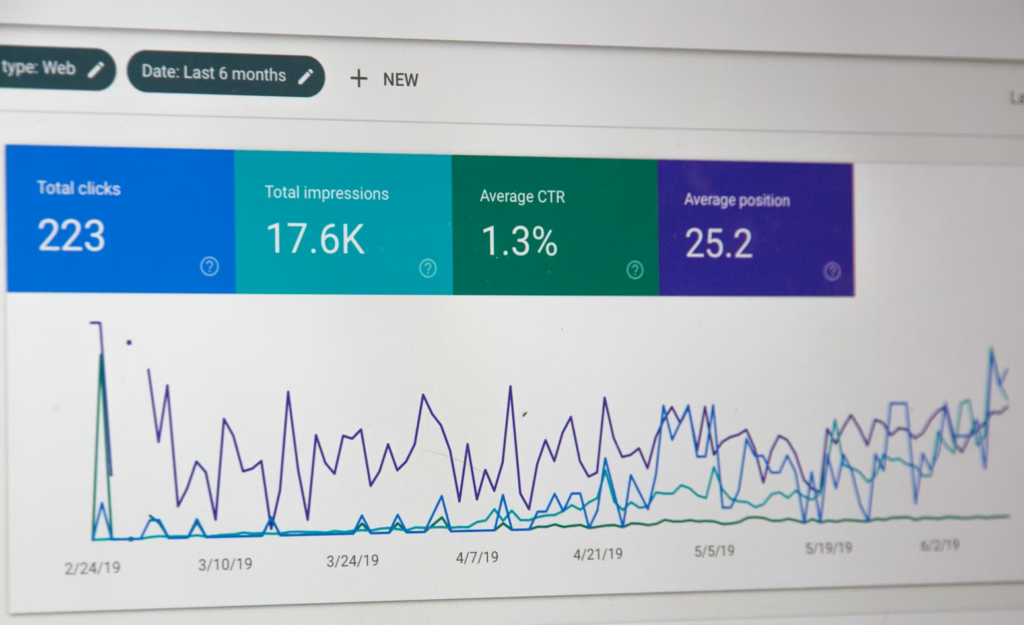
Tools like Google Analytics and Google Search Console provide the data. Reports (monthly/quarterly) show developments, explain measures, and suggest next steps. Live dashboards are often part of the setup.
How Long Does It Take for SEO Measures To Show Results?
SEO takes time. Visible effects often come only after several months. This depends on competition, the website’s condition, implementation of measures, and goals. In competitive markets, it usually takes longer. Reputable providers don’t promise quick number-1 positions but regularly show progress and remain transparent. Sustainable successes are more important than short-term jumps.
How To Recognize a Reputable and Capable SEO Agency?
Many promise a lot, but not all deliver. Pay attention to clear processes, proven results, and real expertise. A bad choice costs money and can even harm your ranking. The following characteristics help with assessment:
Transparent Working Methods and Open Communication
Good agencies explain what they do, why they do it, and how success is measured. No vague statements, but concrete steps. Costs must also be clear, without hidden items. The team should be accessible, answer questions, and regularly inform about status. A dashboard for rankings, traffic, and leads is a plus.
References and Demonstrable Successes
Ask for examples with clear numbers: better rankings, more traffic, more revenue. More important than big names are results that match your size and industry. Reviews (e.g., Google, Trustpilot) and awards (e.g., BVDW) can provide orientation. What’s crucial is that results are traceable.
Use of Current SEO Technologies and Tools
SEO changes constantly. A good agency works with modern tools for analysis, monitoring, and content. Proprietary tools or solutions are a plus because they often work faster and more accurately. Ask which tools are used and how data is converted into measures. Using AI platforms like ChatGPT and Perplexity also shows that the team thinks ahead.
Professional Competence and Training in the Team
Behind good results are specialists for technology, content, link building, and strategy. It’s important that your contact persons are real SEO experts. Ask about team structure, training, certificates, and conferences. A strong, learning-ready team masters even difficult cases and delivers consistently good results.
What To Look for When Selecting an SEO Agency?
The choice has a major impact on your online success. First define your goals, your budget, and your internal capacities. With a clear profile, you’ll find the right partner faster. Pay particular attention to the offer, pricing structure, industry knowledge, and contract terms.
Offer Structure and Contract Models
A good offer is clear, fits your goals, and shows services in detail. No empty terms, but concrete measures with procedures and scope. For contracts, monthly flat rates and hourly models are common. Ask how much time flows into which tasks and whether meetings/reporting are charged. Short terms and fair termination rules give you security. A period of around six months is often suitable as a start to realistically evaluate effect and collaboration.
Pricing Models: Flat Rate, Hourly Wage, or Performance-Based?
Flat rates are plannable but don’t always fit exactly. Hourly models are flexible but need transparency. Performance models sound good but sometimes tempt short-term tactics. What’s important is a fair relationship between price and performance as well as clear communication about what’s actually being done.
Industry Knowledge and Individual Support
If the agency knows your industry, keyword selection is easier and content hits the mark better. Ask for references from similar areas. Good providers take time to understand your business, examine competitors, and build a strategy that fits your goals and resources. This creates collaboration at eye level.
Duration and Minimum Contract Period
SEO is long-term. Very short contracts rarely make sense, too long ones bind unnecessarily. A minimum term of six months is often a good compromise. This allows measures to be implemented and first tendencies to be recognized. What’s important are clear cancellation periods and fair conditions.
How Does Collaboration With an SEO Agency Work?
The process is clearly structured: from the first inquiry to ongoing optimization. SEO is not a one-time action but an ongoing process with regular adjustments. Good agencies work in partnership and keep you informed about all steps.
Process: First Contact To Ongoing Optimization
- Initial meeting: Clarify goals, status, expectations
- Kick-off and audit: Check technology, content, offpage, market and competitors
- Strategy: Goals (KPIs), priorities, action plan
- Implementation: Onpage (content, structure, technology), offpage (link building), technical SEO
- Monitoring: Track rankings, traffic, conversions
- Reporting: Share results, plan next steps
- Further development: Adapt strategy to updates and market
Joint Goal and Expectation Management
Define clear and measurable goals at the beginning, connected to your business. Stay realistic: SEO takes time. Good agencies openly say how long it can take and which factors influence the path. Regular meetings help adjust the course when needed.
Recommendations for Successful Collaboration With an SEO Agency
With the right attitude and clear processes, you get the most out of it. It’s not enough to delegate tasks. Those who actively participate get better results.
Patience and Realistic Expectations
Success rarely comes overnight. Depending on competition and website status, it takes months before clear effects are visible. Focus on sustainable steps instead of quick jumps. Rely on clean methods and give measures time.
Open Communication on Both Sides
Share important information about products, target groups, and offers. Ask questions, even if technical terms are new. The agency explains measures understandably and reports proactively. Regular appointments keep everyone on the same page and avoid misunderstandings.
Regular Review of Results and Goals
Evaluate the KPIs together and adapt the plan to new insights. Have the market or competition changed? Are there new opportunities? This keeps measures focused and your budget is used sensibly.
Typical Problems and Warning Signs With SEO Agencies
In addition to good providers, there are unfortunately also those who work with empty promises or cause harm. Recognize warning signals early to protect time, money, and visibility.
Lack of Transparency in Measures and Strategies
If an agency doesn’t explain what it does, how it does it, and why, caution is advised. Sentences like “That’s too complex” without further explanation are a bad sign. Reports should be understandable and contain concrete steps – not just numbers without context.
No Demonstrable Success in Reporting
After a few months, first positive tendencies should be recognizable: better rankings, more organic traffic, more leads. If numbers are missing, declines aren’t explained, or measures remain unclear, you should review the collaboration.
Penalties or Ranking Losses Due To Questionable Tactics
Strong ranking losses, traffic drops, or notifications about manual actions in Google Search Console shortly after the start are alarming. Common causes are unnatural link building, over-optimized anchor texts, hidden text, or cloaking. Such methods violate guidelines and harm long-term. Ask precisely about procedures and link sources. Reputable providers work cleanly and think long-term.

- How Online Slot Games Are Optimized For Different Users - March 28, 2026
- Kitchen Remodeling Ideas for Modern and Stylish Homes - March 24, 2026
- No Deposit Casino Free Spins 2026: Guide to Claiming and Winning - March 10, 2026